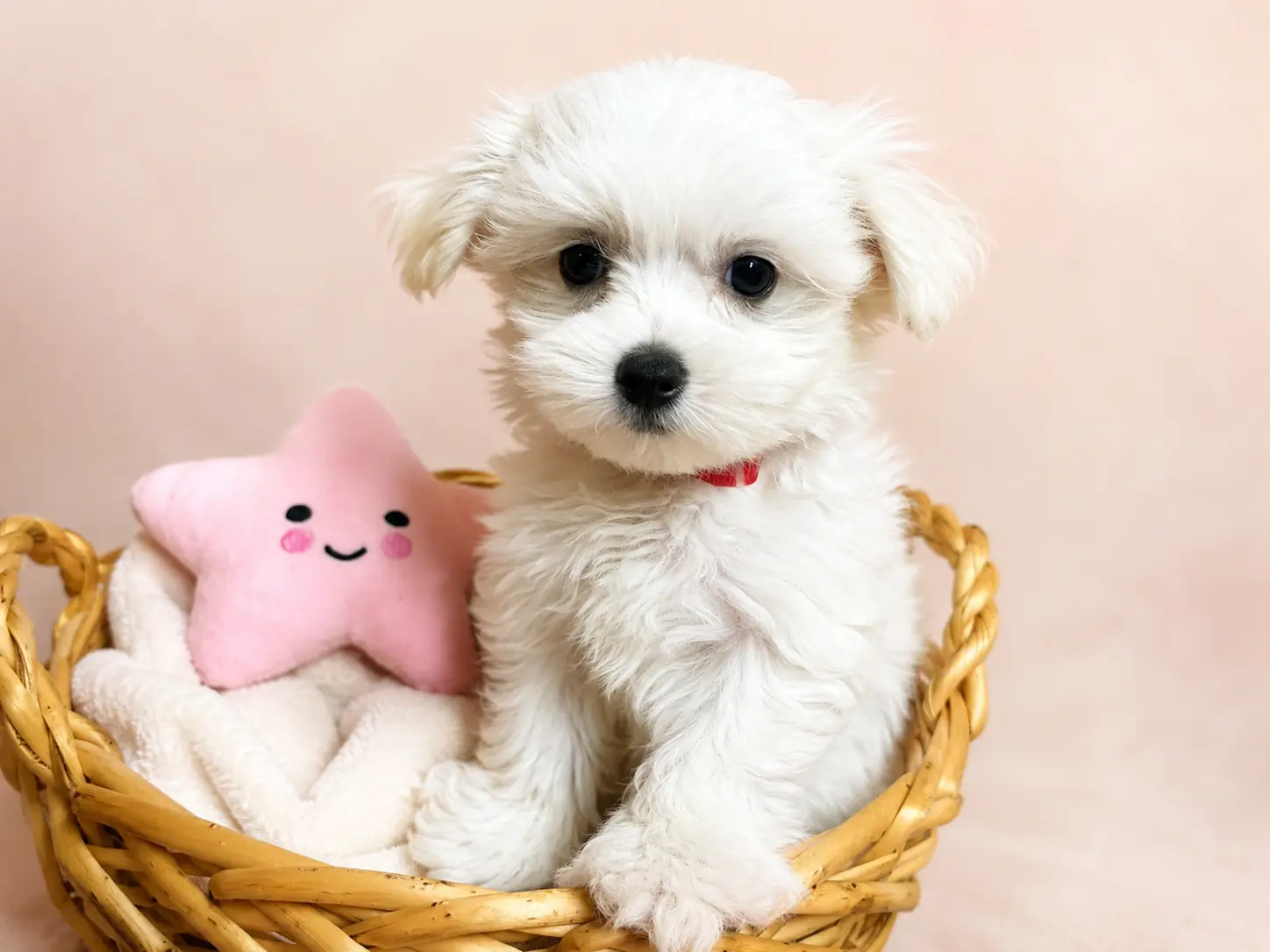


Quick Answer: The best puppy training classes in Austin TX combine group socialization, positive reinforcement methods, and real-world practice for issues like potty training, leash pulling, and puppy biting. Most programs run 4-6 weeks and cost $150-$300. For immediate results, start private training or puppy kindergarten within the first 8-16 weeks of age.
What You’ll Learn in Austin Puppy Training Classes
✓ Potty training systems that work in apartments and houses
✓ Crate training without whining or anxiety
✓ Leash training for Austin’s busy sidewalks and trails
✓ Puppy biting and bite inhibition techniques
✓ Socialization with dogs, people, and city environments
✓ Basic obedience – sit, stay, come, leave it, down
Average timeline: 4-8 weeks for foundation skills | Cost range: $150-$400 for group classes, $100-$200/session for private training
Best Puppy Training Classes in Austin, Texas: Which Format Works?
1. Puppy Kindergarten Austin (Ages 8-16 Weeks)
Best for: First-time puppy owners who want socialization + basic training combined
Puppy kindergarten in Austin focuses on critical early socialization during the 8-16 week developmental window. Your puppy learns:
- Safe interaction with other puppies (supervised play, not chaos)
- Handling for vet visits and grooming
- Confidence-building around new sights, sounds, and surfaces
- Foundation commands in low-distraction environments
What to expect: 4-6 week programs, 45-60 minute classes, puppies grouped by size/temperament, vaccination requirements (typically first round of DHPP)
Search terms people use: puppy kindergarten Austin TX, puppy socialization classes Austin, puppy training 8 weeks old Austin
2. Group Puppy Training Classes Austin
Best for: Teaching real-world focus and impulse control around distractions
Group puppy training in Austin teaches your dog to listen when it’s hard—around other dogs, people, food, traffic, and outdoor chaos. This is where “sit at home” becomes “sit at Zilker Park on a Saturday.”
Core curriculum:
- Loose leash walking (no pulling on Austin’s urban trails)
- Polite greetings (no jumping on strangers at patios)
- “Leave it” and “drop it” for safety
- Stay, recall, and impulse control
- Distraction training for Austin’s dog-friendly lifestyle
Typical structure: 6-8 weeks, weekly 1-hour sessions, 6-12 puppies per class, homework between sessions
Search variations: group puppy classes Austin, puppy obedience training Austin TX, beginner dog training Austin
3. Private Puppy Training Austin TX
Best for: Custom plans for specific issues, shy puppies, or accelerated learning
Private puppy training in Austin gives you one-on-one coaching tailored to your exact situation:
- Separation anxiety and crate whining
- Fearfulness or reactivity on leash
- Intense biting that hasn’t improved with group class methods
- House training challenges in apartments or condos
- Custom schedules for shift workers or busy families
Private sessions move faster because every minute addresses your priority. Most trainers offer in-home sessions, outdoor practice, or facility-based work.
Pricing: $100-$200 per hour | Package deals: 4-6 sessions typically $400-$900
Common searches: private puppy trainer Austin, in home puppy training Austin, one on one dog training Austin
How to Choose the Best Puppy Training Program in Austin
✓ Positive Reinforcement Methods Only
The best Austin puppy trainers use rewards, repetition, and clear communication—never fear, force, or punishment. Your puppy should leave class confident, not shut down.
Red flags: Trainers who use prong collars on puppies, talk about “dominance,” or recommend intimidation tactics
✓ Real Curriculum for Real Problems
Look for programs that explicitly address the top 5 puppy struggles Austin owners search for:
- Potty training (house training, crate schedules, apartment routines)
- Puppy biting (bite inhibition, nipping, mouthing)
- Leash training (loose leash walking, pulling, fear on walks)
- Crate training (eliminating whining, building calm)
- Jumping and overexcitement with guests
If a class only teaches “sit, down, stay” without covering daily-life issues, it won’t solve the problems keeping you up at night.
✓ Small Class Sizes with Active Supervision
Ideal ratio: 1 trainer per 6-8 puppies (or 1 trainer + 1 assistant for 10-12 puppies)
Puppies should be matched by size, age, and play style when possible. Trainers should interrupt bullying, over-arousal, or fearful behavior immediately—not let puppies “work it out.”
✓ Clear Homework and Follow-Through Support
Training happens at home, not just in class. The best Austin puppy programs provide:
- Written instructions or videos for each week
- Practice schedules you can actually follow (5-10 minutes, 2-3x daily)
- Email or text support between sessions
- Progress benchmarks so you know if you’re on track
✓ Vaccination and Health Policies
Professional puppy classes require age-appropriate vaccines (typically first DHPP at minimum) and exclude sick puppies. This protects your puppy during critical socialization weeks.
Questions to ask: What vaccines are required? What happens if my puppy gets sick before class? Are puppies screened for symptoms at check-in?

Puppy Training Cost in Austin TX (2025-2026 Pricing)
| Training Type | Average Cost | Timeline |
|---|---|---|
| Puppy Kindergarten | $150-$250 | 4-6 weeks |
| Group Obedience Classes | $200-$350 | 6-8 weeks |
| Private Training (per session) | $100-$200 | Custom |
| Private Training Package (4-6 sessions) | $400-$900 | 4-8 weeks |
| Board & Train Programs | $1,500-$3,500 | 2-4 weeks |
Most cost-effective: Group classes for socialization + 1-2 private sessions for specific issues
Top Puppy Training Issues Austin Owners Search For
1. Potty Training (House Training)
Most searched: “how to potty train a puppy fast,” “puppy won’t potty outside,” “puppy accidents in the house”
Austin-specific challenge: Apartment and condo living with limited immediate outdoor access
What works: Consistent schedule (every 1-2 hours), immediate reward after successful outdoor potty, crate training to build bladder control, enzyme cleaner for accidents
Timeline: Most puppies achieve 80% reliability by 16-20 weeks with consistent training
2. Puppy Biting and Nipping
Most searched: “how to stop puppy biting,” “puppy biting ankles,” “puppy won’t stop biting me”
What works: Redirect to appropriate toys, reward gentle mouth, enforce nap schedule (overtired puppies bite more), yelp and stop play when biting is too hard
Critical period: 8-18 weeks is when bite inhibition is learned through play
3. Crate Training
Most searched: “puppy cries in crate all night,” “how long can puppy stay in crate,” “crate training schedule”
What works: Start with 5-10 minute sessions with high-value treats, never use crate as punishment, build up duration gradually, cover crate to create den-like environment
Austin consideration: Crate training is essential for safe car travel to parks, trails, and vet visits
4. Leash Training and Pulling
Most searched: “puppy pulls on leash,” “how to leash train a puppy,” “puppy afraid of leash”
What works: Reward position at your side, stop walking when leash tightens, practice in low-distraction areas first (your driveway before Barton Springs)
Austin application: Leash skills matter for crowded trails, South Congress sidewalks, and dog-friendly patios
5. Socialization Without Fear
Most searched: “puppy socialization checklist,” “when to socialize puppy,” “puppy scared of everything”
Critical window: 8-16 weeks is peak socialization period—after 16 weeks, fearfulness increases
What to expose puppies to: Different surfaces, sounds (traffic, thunder, bikes), people of all ages/appearances, friendly vaccinated dogs, car rides, vet handling
Austin opportunities: Outdoor patios, farmers markets, Mueller development, quiet times at Zilker
Free Puppy Training Plan (Start Today – Week One)
You don’t need to wait for a class to start. This routine prevents 80% of the behavior problems Austin owners search for later.
Daily Schedule for New Puppies
Morning (6-8 AM):
- Wake up → immediate potty trip
- Breakfast → potty trip 10-15 minutes after eating
- 15-minute play session
- Crate nap (puppies need 18-20 hours sleep daily)
Midday (11 AM-1 PM):
- Potty trip → training session (5-10 minutes)
- Lunch → potty trip
- Supervised indoor play or short walk (avoid hot pavement in Austin heat)
- Crate nap
Afternoon (3-5 PM):
- Potty trip → socialization activity (car ride, meet a friend, new surface)
- Training session (5-10 minutes)
- Potty trip → crate nap
Evening (6-9 PM):
- Dinner → potty trip
- Family time (practice calm behavior, gentle handling)
- Potty trip before bed
- Crate for overnight (take young puppies out once at 2-3 AM initially)
Training Goals: Week One
✓ Potty training: 70% success rate with consistent schedule
✓ Crate comfort: Puppy settles within 5 minutes
✓ Bite inhibition: Puppy responds to yelp/pause in play
✓ Handling: Can touch paws, ears, mouth without resistance
✓ Name recognition: Puppy looks at you when you say their name
Austin-Specific Puppy Training Tips
Training in Austin Heat
Austin summers make outdoor training dangerous for puppies. Heat exhaustion happens fast.
Safe training times:
- Before 9 AM or after 7 PM in summer
- Test pavement with your hand (if you can’t hold it for 5 seconds, it’s too hot for puppy paws)
- Bring water and take breaks in shade
- Use indoor training during peak heat hours
Best cool locations for training:
- Shaded sections of Walnut Creek Trail (morning)
- Indoor pet-friendly stores (Petco, Home Depot for distraction training)
- Covered patios during cooler months
- Air-conditioned training facilities
Dog-Friendly Austin Practice Locations
Once your puppy is fully vaccinated and has foundation training:
Beginner distraction level:
- Mueller Lake Park (weekday mornings)
- Yard Bar North Loop
- Outdoor patios at dog-friendly restaurants (Banger’s, Lazarus Brewing)
Intermediate distraction level:
- Zilker Park (not during peak weekends)
- South Congress sidewalks (morning hours)
- East Austin coffee shops with outdoor seating
Advanced distraction level:
- Zilker Park on weekends
- Barton Springs Pool area
- 6th Street (daytime, for exposure to crowds and noise)
Questions to Ask Before Enrolling in Austin Puppy Classes
About the Class Structure
- What is the maximum class size?
- How are puppies grouped (by age, size, temperament)?
- What is the trainer-to-puppy ratio?
- How long is each session?
- Is there structured play or just training?
About the Curriculum
- What specific behaviors are covered in the first 4 weeks?
- Do you address potty training, crate training, and biting?
- How do you handle fearful or overexcited puppies?
- What homework or practice is required between classes?
About Safety and Qualifications
- What certifications do trainers hold? (Look for: CPDT-KA, KPA CTP, CBCC-KA, or membership in APDT or IAABC)
- What vaccine requirements do you have?
- What is your policy for sick puppies or injuries during class?
- What training methods do you use? (Confirm positive reinforcement only)
About Results
- What does success look like after completing the program?
- Do you offer follow-up support or refresher sessions?
- What happens if my puppy isn’t progressing?
Red flag answers: Vague responses, no clear curriculum, “every puppy is different so we don’t set expectations,” resistance to discussing methods
Puppy Training FAQs Austin TX
When should I start puppy training in Austin?
Immediate answer: Start basic training (name recognition, potty routine, crate introduction) the day you bring your puppy home—as early as 8 weeks old.
Puppy classes: Enroll in puppy kindergarten or group classes after first vaccinations (typically 10-12 weeks), but don’t wait to start training at home.
How long does puppy training take?
Foundation skills: 4-8 weeks of consistent training (group class timeline)
Reliable obedience: 3-6 months for commands to work in high-distraction environments
Full maturity: Most puppies aren’t fully trained until 12-18 months old
Training is ongoing—classes give you the foundation, but practice at home creates long-term results.
What’s the difference between puppy kindergarten and obedience classes?
Puppy kindergarten: Focuses on socialization, confidence-building, and foundation skills during the critical 8-16 week period. Less emphasis on perfect obedience, more on positive experiences.
Obedience classes: Focuses on reliable command execution, impulse control, and distraction training. Usually starts after 4-5 months when puppies have longer attention spans.
Many owners do puppy kindergarten first, then transition to obedience classes.
Do I need private training or group classes?
Choose group classes if:
- Your puppy needs socialization with other dogs
- You want your puppy to learn focus around distractions
- You’re working on general foundation skills
- You want the most cost-effective option
Choose private training if:
- Your puppy has fear, anxiety, or aggression issues
- You need a custom plan for specific problems
- Your schedule doesn’t fit group class times
- You want faster, more focused results
Best of both: Start with group classes, add 1-2 private sessions for specific challenges
How much does puppy training cost in Austin?
Budget range: $150-$300 for 4-6 week group programs
Premium range: $300-$450 for smaller groups or specialized programs
Private training: $100-$200 per session, $400-$900 for packages
Hidden costs to consider: Training treats, supplies (clicker, treat pouch, long leash), time for daily homework (15-30 minutes)
Is puppy training worth it in Austin?
Short answer: Yes—especially in Austin’s dog-friendly culture where untrained dogs face more stress and restrictions.
Long-term ROI:
- Prevent behavior problems that cost thousands to fix later (reactivity, aggression, severe anxiety)
- Safely enjoy Austin’s dog-friendly patios, trails, and events
- Reduce stress for you and your puppy
- Build a stronger bond through clear communication
Cost of NOT training: Emergency vet visits from eating dangerous items, damage to home from destructive behavior, rehoming fees if behavior becomes unmanageable, reduced quality of life for you and your dog
Beyond Puppy Classes: Continuing Education in Austin
Advanced Training Options
Once your puppy completes foundation training:
Canine Good Citizen (CGC): 10-skill test covering polite behavior in public
Therapy dog training: For puppies with calm temperaments
Agility classes: High-energy puppies thrive with mental + physical challenges
Scent work: Great for anxious or high-drive puppies
Advanced obedience: Off-leash reliability, distance commands, duration behaviors
Austin Dog Sports and Activities
Competitive sports:
- Austin Dog Alliance (agility trials)
- Central Texas Agility (classes and competitions)
- Dock diving at local facilities
- Rally obedience through Austin-area clubs
Casual activities:
- Group hiking meetups (Austin Dog Alliance)
- Paddleboarding with dogs (Lady Bird Lake)
- Dog-friendly running groups
- Social meetups at Yard Bar, Red’s Porch
Start Your Puppy Training Journey: Next Steps
Before Your Puppy Comes Home
✓ Research trainers and enroll in puppy kindergarten for 10-12 week start date
✓ Set up crate, potty area, and puppy-proof your home
✓ Stock training treats (small, soft, high-value)
✓ Create a first-week schedule (potty times, meal times, nap times)
✓ Schedule first vet visit and confirm vaccination timeline
Week One With Your Puppy
✓ Start name recognition training (say name → reward eye contact)
✓ Begin potty routine (out every 1-2 hours, after eating/playing/waking)
✓ Introduce crate with positive associations (never punishment)
✓ Practice gentle handling daily (paws, ears, mouth, brushing)
✓ Redirect biting to appropriate toys
✓ Reward calm behavior (sitting, settling, quiet)
Weeks 2-8: Building Foundation Skills
✓ Attend puppy kindergarten or group classes
✓ Practice homework daily (5-10 minutes, 2-3 times per day)
✓ Gradually increase socialization exposure (people, places, sounds)
✓ Continue reinforcing potty training and crate comfort
✓ Start leash walking practice in low-distraction areas
✓ Teach basic commands (sit, down, stay, come, leave it)
Get Expert Help: Austin Puppy Training Resources
Finding Qualified Trainers
Look for certifications and memberships:
- CPDT-KA (Certified Professional Dog Trainer – Knowledge Assessed)
- KPA CTP (Karen Pryor Academy Certified Training Partner)
- CBCC-KA (Certified Behavior Consultant Canine – Knowledge Assessed)
- APDT (Association of Professional Dog Trainers member)
- IAABC (International Association of Animal Behavior Consultants member)
Verification: Ask to see certificates or check trainer directories on certifying organization websites
Red Flags in Puppy Training Programs
Avoid trainers who:
- Use or recommend prong collars, choke chains, or shock collars for puppies
- Talk about “dominance,” “alpha,” or “pack leader” theories
- Allow uncontrolled puppy play without supervision
- Can’t explain their training methods clearly
- Don’t require vaccinations for group classes
- Promise instant results or “guaranteed” behavior changes
- Won’t let you observe a class before enrolling
Contact Prettiest Puppies for Austin Puppy Training Guidance
Bringing home a new puppy in Austin? Start training before day one. Whether you’re looking for puppies for sale in Austin, Texas or need guidance on setting up your training plan, Prettiest Puppies provides support to make the transition smooth from the start.
What we help with:
- Matching you with the right puppy for your lifestyle and training goals
- First-week training roadmap (potty schedule, crate setup, feeding routine)
- Recommended Austin puppy training classes and private trainers
- Ongoing support during the critical 8-16 week socialization period
Why early guidance matters:
- Prevents common first-week mistakes that create long-term habits
- Sets up potty training and crate training for faster success
- Gives you confidence so you’re not Googling “help my puppy won’t stop crying” at 2 AM
- Connects you with the right training resources before problems develop
Ready to start right? Contact Prettiest Puppies today to learn about available puppies and get your personalized training plan for raising a confident, well-behaved dog in Austin, Texas.
Summary: Puppy Training Classes Austin TX
Best option for most owners: Puppy kindergarten (8-16 weeks) + group obedience classes (4-6 months)
Best methods: Positive reinforcement, reward-based training, clear communication
Essential skills to prioritize: Potty training, crate training, leash walking, bite inhibition, basic obedience, socialization
Average investment: $150-$400 for group programs, $400-$900 for private packages
Timeline to reliable behavior: 4-8 weeks for foundation, 3-6 months for consistency, 12-18 months for full maturity
Austin advantage: Dog-friendly culture means trained puppies can access hundreds of patios, parks, trails, and social opportunities across the city
Start today: Create a potty schedule, introduce the crate positively, reward calm behavior, and enroll in puppy kindergarten before 12 weeks old
The difference between a puppy that fits seamlessly into Austin’s lifestyle and one that struggles comes down to early, consistent training. The investment you make in the first 16 weeks shapes the next 10-15 years.
Take action now: Research trainers, book your first class, and start building the foundation for a calm, confident, well-trained dog.
Puppy Training Classes Austin TX: Complete Guide to Raising a Well-Behaved Dog (2024)
Quick Answer: The best puppy training classes in Austin TX combine group socialization, positive reinforcement methods, and real-world practice for issues like potty training, leash pulling, and puppy biting. Most programs run 4-6 weeks and cost $150-$300. For immediate results, start private training or puppy kindergarten within the first 8-16 weeks of age.
What You’ll Learn in Austin Puppy Training Classes
✓ Potty training systems that work in apartments and houses
✓ Crate training without whining or anxiety
✓ Leash training for Austin’s busy sidewalks and trails
✓ Puppy biting and bite inhibition techniques
✓ Socialization with dogs, people, and city environments
✓ Basic obedience – sit, stay, come, leave it, down
Average timeline: 4-8 weeks for foundation skills | Cost range: $150-$400 for group classes, $100-$200/session for private training
Best Puppy Training Classes in Austin, Texas: Which Format Works?
1. Puppy Kindergarten Austin (Ages 8-16 Weeks)
Best for: First-time puppy owners who want socialization + basic training combined
Puppy kindergarten in Austin focuses on critical early socialization during the 8-16 week developmental window. Your puppy learns:
- Safe interaction with other puppies (supervised play, not chaos)
- Handling for vet visits and grooming
- Confidence-building around new sights, sounds, and surfaces
- Foundation commands in low-distraction environments
What to expect: 4-6 week programs, 45-60 minute classes, puppies grouped by size/temperament, vaccination requirements (typically first round of DHPP)
Search terms people use: puppy kindergarten Austin TX, puppy socialization classes Austin, puppy training 8 weeks old Austin
2. Group Puppy Training Classes Austin
Best for: Teaching real-world focus and impulse control around distractions
Group puppy training in Austin teaches your dog to listen when it’s hard—around other dogs, people, food, traffic, and outdoor chaos. This is where “sit at home” becomes “sit at Zilker Park on a Saturday.”
Core curriculum:
- Loose leash walking (no pulling on Austin’s urban trails)
- Polite greetings (no jumping on strangers at patios)
- “Leave it” and “drop it” for safety
- Stay, recall, and impulse control
- Distraction training for Austin’s dog-friendly lifestyle
Typical structure: 6-8 weeks, weekly 1-hour sessions, 6-12 puppies per class, homework between sessions
Search variations: group puppy classes Austin, puppy obedience training Austin TX, beginner dog training Austin
3. Private Puppy Training Austin TX
Best for: Custom plans for specific issues, shy puppies, or accelerated learning
Private puppy training in Austin gives you one-on-one coaching tailored to your exact situation:
- Separation anxiety and crate whining
- Fearfulness or reactivity on leash
- Intense biting that hasn’t improved with group class methods
- House training challenges in apartments or condos
- Custom schedules for shift workers or busy families
Private sessions move faster because every minute addresses your priority. Most trainers offer in-home sessions, outdoor practice, or facility-based work.
Pricing: $100-$200 per hour | Package deals: 4-6 sessions typically $400-$900
Common searches: private puppy trainer Austin, in home puppy training Austin, one on one dog training Austin

How to Choose the Best Puppy Training Program in Austin
✓ Positive Reinforcement Methods Only
The best Austin puppy trainers use rewards, repetition, and clear communication—never fear, force, or punishment. Your puppy should leave class confident, not shut down.
Red flags: Trainers who use prong collars on puppies, talk about “dominance,” or recommend intimidation tactics
✓ Real Curriculum for Real Problems
Look for programs that explicitly address the top 5 puppy struggles Austin owners search for:
- Potty training (house training, crate schedules, apartment routines)
- Puppy biting (bite inhibition, nipping, mouthing)
- Leash training (loose leash walking, pulling, fear on walks)
- Crate training (eliminating whining, building calm)
- Jumping and overexcitement with guests
If a class only teaches “sit, down, stay” without covering daily-life issues, it won’t solve the problems keeping you up at night.
✓ Small Class Sizes with Active Supervision
Ideal ratio: 1 trainer per 6-8 puppies (or 1 trainer + 1 assistant for 10-12 puppies)
Puppies should be matched by size, age, and play style when possible. Trainers should interrupt bullying, over-arousal, or fearful behavior immediately—not let puppies “work it out.”
✓ Clear Homework and Follow-Through Support
Training happens at home, not just in class. The best Austin puppy programs provide:
- Written instructions or videos for each week
- Practice schedules you can actually follow (5-10 minutes, 2-3x daily)
- Email or text support between sessions
- Progress benchmarks so you know if you’re on track
✓ Vaccination and Health Policies
Professional puppy classes require age-appropriate vaccines (typically first DHPP at minimum) and exclude sick puppies. This protects your puppy during critical socialization weeks.
Questions to ask: What vaccines are required? What happens if my puppy gets sick before class? Are puppies screened for symptoms at check-in?
Puppy Training Cost in Austin TX (2024 Pricing)
| Training Type | Average Cost | Timeline |
|---|---|---|
| Puppy Kindergarten | $150-$250 | 4-6 weeks |
| Group Obedience Classes | $200-$350 | 6-8 weeks |
| Private Training (per session) | $100-$200 | Custom |
| Private Training Package (4-6 sessions) | $400-$900 | 4-8 weeks |
| Board & Train Programs | $1,500-$3,500 | 2-4 weeks |
Most cost-effective: Group classes for socialization + 1-2 private sessions for specific issues

Top Puppy Training Issues Austin Owners Search For
1. Potty Training (House Training)
Most searched: “how to potty train a puppy fast,” “puppy won’t potty outside,” “puppy accidents in the house”
Austin-specific challenge: Apartment and condo living with limited immediate outdoor access
What works: Consistent schedule (every 1-2 hours), immediate reward after successful outdoor potty, crate training to build bladder control, enzyme cleaner for accidents
Timeline: Most puppies achieve 80% reliability by 16-20 weeks with consistent training
2. Puppy Biting and Nipping
Most searched: “how to stop puppy biting,” “puppy biting ankles,” “puppy won’t stop biting me”
What works: Redirect to appropriate toys, reward gentle mouth, enforce nap schedule (overtired puppies bite more), yelp and stop play when biting is too hard
Critical period: 8-18 weeks is when bite inhibition is learned through play
3. Crate Training
Most searched: “puppy cries in crate all night,” “how long can puppy stay in crate,” “crate training schedule”
What works: Start with 5-10 minute sessions with high-value treats, never use crate as punishment, build up duration gradually, cover crate to create den-like environment
Austin consideration: Crate training is essential for safe car travel to parks, trails, and vet visits
4. Leash Training and Pulling
Most searched: “puppy pulls on leash,” “how to leash train a puppy,” “puppy afraid of leash”
What works: Reward position at your side, stop walking when leash tightens, practice in low-distraction areas first (your driveway before Barton Springs)
Austin application: Leash skills matter for crowded trails, South Congress sidewalks, and dog-friendly patios
5. Socialization Without Fear
Most searched: “puppy socialization checklist,” “when to socialize puppy,” “puppy scared of everything”
Critical window: 8-16 weeks is peak socialization period—after 16 weeks, fearfulness increases
What to expose puppies to: Different surfaces, sounds (traffic, thunder, bikes), people of all ages/appearances, friendly vaccinated dogs, car rides, vet handling
Austin opportunities: Outdoor patios, farmers markets, Mueller development, quiet times at Zilker

Free Puppy Training Plan (Start Today – Week One)
You don’t need to wait for a class to start. This routine prevents 80% of the behavior problems Austin owners search for later.
Daily Schedule for New Puppies
Morning (6-8 AM):
- Wake up → immediate potty trip
- Breakfast → potty trip 10-15 minutes after eating
- 15-minute play session
- Crate nap (puppies need 18-20 hours sleep daily)
Midday (11 AM-1 PM):
- Potty trip → training session (5-10 minutes)
- Lunch → potty trip
- Supervised indoor play or short walk (avoid hot pavement in Austin heat)
- Crate nap
Afternoon (3-5 PM):
- Potty trip → socialization activity (car ride, meet a friend, new surface)
- Training session (5-10 minutes)
- Potty trip → crate nap
Evening (6-9 PM):
- Dinner → potty trip
- Family time (practice calm behavior, gentle handling)
- Potty trip before bed
- Crate for overnight (take young puppies out once at 2-3 AM initially)
Training Goals: Week One
✓ Potty training: 70% success rate with consistent schedule
✓ Crate comfort: Puppy settles within 5 minutes
✓ Bite inhibition: Puppy responds to yelp/pause in play
✓ Handling: Can touch paws, ears, mouth without resistance
✓ Name recognition: Puppy looks at you when you say their name
Austin-Specific Puppy Training Tips
Training in Austin Heat
Austin summers make outdoor training dangerous for puppies. Heat exhaustion happens fast.
Safe training times:
- Before 9 AM or after 7 PM in summer
- Test pavement with your hand (if you can’t hold it for 5 seconds, it’s too hot for puppy paws)
- Bring water and take breaks in shade
- Use indoor training during peak heat hours
Best cool locations for training:
- Shaded sections of Walnut Creek Trail (morning)
- Indoor pet-friendly stores (Petco, Home Depot for distraction training)
- Covered patios during cooler months
- Air-conditioned training facilities
Dog-Friendly Austin Practice Locations
Once your puppy is fully vaccinated and has foundation training:
Beginner distraction level:
- Mueller Lake Park (weekday mornings)
- Yard Bar North Loop
- Outdoor patios at dog-friendly restaurants (Banger’s, Lazarus Brewing)
Intermediate distraction level:
- Zilker Park (not during peak weekends)
- South Congress sidewalks (morning hours)
- East Austin coffee shops with outdoor seating
Advanced distraction level:
- Zilker Park on weekends
- Barton Springs Pool area
- 6th Street (daytime, for exposure to crowds and noise)
Questions to Ask Before Enrolling in Austin Puppy Classes
About the Class Structure
- What is the maximum class size?
- How are puppies grouped (by age, size, temperament)?
- What is the trainer-to-puppy ratio?
- How long is each session?
- Is there structured play or just training?
About the Curriculum
- What specific behaviors are covered in the first 4 weeks?
- Do you address potty training, crate training, and biting?
- How do you handle fearful or overexcited puppies?
- What homework or practice is required between classes?
About Safety and Qualifications
- What certifications do trainers hold? (Look for: CPDT-KA, KPA CTP, CBCC-KA, or membership in APDT or IAABC)
- What vaccine requirements do you have?
- What is your policy for sick puppies or injuries during class?
- What training methods do you use? (Confirm positive reinforcement only)
About Results
- What does success look like after completing the program?
- Do you offer follow-up support or refresher sessions?
- What happens if my puppy isn’t progressing?
Red flag answers: Vague responses, no clear curriculum, “every puppy is different so we don’t set expectations,” resistance to discussing methods
Frequently Asked Questions About Puppy Training in Austin TX
What is the best age to start puppy training classes in Austin?
Start training the day you bring your puppy home at 8 weeks old with basics like name recognition, potty schedules, and crate introduction. Enroll in formal puppy training classes in Austin TX between 10-16 weeks after first vaccinations. This critical socialization window (8-16 weeks) determines long-term behavior and confidence. Waiting until 6 months means missing the most important developmental period for preventing fear, aggression, and anxiety issues.
How much do puppy training classes cost in Austin Texas?
Puppy training classes in Austin TX typically cost $150-$300 for 4-6 week group programs, $300-$450 for premium small-group classes, and $100-$200 per hour for private training sessions. Package deals for private training run $400-$900 for 4-6 sessions. Board and train programs cost $1,500-$3,500 for 2-4 weeks. Group classes offer the best value for socialization and basic obedience, while private training works best for specific behavior issues like separation anxiety or fearfulness.
What do puppy training classes in Austin teach?
Austin puppy training classes teach potty training systems, crate training without anxiety, leash walking without pulling, bite inhibition and puppy nipping solutions, polite greetings without jumping, basic commands (sit, stay, come, down, leave it), socialization with dogs and people, and real-world focus around distractions. The best programs address daily-life challenges like house training in apartments, handling Austin heat during walks, and preparing puppies for dog-friendly patios, trails, and public spaces across the city.
How long does it take to train a puppy in Austin?
Foundation skills take 4-8 weeks with consistent daily practice and weekly classes. Reliable obedience in high-distraction environments (like Zilker Park or South Congress) takes 3-6 months. Full behavioral maturity happens around 12-18 months old. Results depend on training consistency at home between classes—puppies trained 5-10 minutes twice daily progress faster than those only trained during weekly hour-long classes. Most Austin puppy owners see significant improvement in potty training, biting, and basic commands within the first month.
What is puppy kindergarten and do I need it?
Puppy kindergarten in Austin combines basic obedience training with supervised socialization during the critical 8-16 week developmental window. It teaches puppies to interact safely with other dogs, builds confidence around new experiences, and establishes foundation skills like sit, focus, and calm behavior. You need puppy kindergarten if your puppy will live in Austin’s dog-friendly environment with frequent exposure to other dogs, patios, trails, and public spaces. Skip it only if you have multiple well-trained dogs at home providing socialization.
Should I choose group or private puppy training in Austin?
Choose group puppy training classes in Austin TX if your puppy needs socialization, you want cost-effective training ($150-$300 vs $400-$900), and you’re working on general skills like leash walking, basic commands, and polite greetings. Choose private puppy training in Austin if your puppy shows fear, anxiety, or aggression, you need custom solutions for specific problems like severe separation anxiety or house training in a high-rise, or your schedule doesn’t allow weekly group classes. Most owners get best results combining group classes for socialization with 1-2 private sessions for specific challenges.
How do I potty train my puppy fast in Austin?
Create a consistent schedule taking your puppy out every 1-2 hours, immediately after waking, eating, and playing. Use the same outdoor spot each time and reward immediately after successful potties. For Austin apartments, use fake grass pads on balconies as backup but prioritize outdoor training. Crate train simultaneously to build bladder control—puppies naturally avoid soiling their sleeping space. Most puppies reach 80% reliability by 16-20 weeks with this routine. Austin’s year-round mild weather makes outdoor potty training easier than cold-climate cities, though summer heat requires early morning and evening schedules.
What vaccines does my puppy need before training classes in Austin?
Most Austin puppy training classes require at least the first round of DHPP (distemper, hepatitis, parvovirus, parainfluenza) vaccine given at 8 weeks, with some requiring two rounds (8 and 12 weeks). Bordetella (kennel cough) vaccine is often required for group classes. Rabies vaccine is typically required by 16 weeks per Texas law. Professional trainers maintain strict health policies excluding sick puppies to protect all participants. Verify specific requirements when enrolling—reputable Austin programs won’t allow unvaccinated puppies in group settings during parvo season.
How do I stop my puppy from biting?
Stop puppy biting through consistent redirection to appropriate toys, rewarding gentle play with treats and praise, yelping or saying “ouch” and pausing play when bites are too hard, enforcing nap schedules (overtired puppies bite more), and enrolling in puppy classes where supervised play teaches bite inhibition naturally. Never use physical punishment—this increases fear and aggression. Most puppies improve significantly by 16-18 weeks when adult teeth come in. If biting intensifies or shows aggression, book private training immediately. Austin’s active lifestyle means puppies need both physical exercise and mental stimulation to reduce biting.
Can I train my puppy myself or do I need classes?
You can teach basic commands at home using positive reinforcement, but puppy training classes in Austin TX provide critical socialization your puppy can’t get at home. Classes expose puppies to other dogs, people, sounds, and environments in controlled settings that build confidence and prevent fear-based behaviors. Professional trainers also catch mistakes early—like accidentally rewarding jumping or pulling—that create long-term bad habits. DIY training works for commands; classes are essential for socialization and real-world distraction training needed for Austin’s dog-friendly lifestyle.
What are the best puppy training methods?
The best puppy training uses positive reinforcement (rewards for correct behavior), clear communication through consistent commands and timing, short frequent sessions (5-10 minutes, 2-3 times daily), and appropriate socialization during the 8-16 week critical period. Avoid outdated methods like dominance theory, alpha rolls, physical corrections, or punishment-based training—these create fear and aggression. Modern science-backed training focuses on building confidence and clear communication. Look for Austin trainers certified by CPDT-KA, KPA CTP, or IAABC who use force-free methods.
Where can I practice puppy training in Austin?
Practice beginner training at home, your driveway, and quiet residential streets. Progress to low-distraction public spaces like Mueller Lake Park on weekday mornings, covered patios at dog-friendly restaurants, and pet-friendly stores (Petco, Lowe’s). For intermediate practice, try Zilker Park on weekdays, outdoor seating at coffee shops, and South Congress sidewalks during morning hours. Advanced distraction training works at Zilker Park weekends, Barton Springs Pool area, and busy downtown locations. Always practice during cooler hours (before 9 AM or after 7 PM in summer) to protect puppies from Austin heat.
What if my puppy is shy or scared in training class?
If your puppy shows fear in group classes, work with the trainer to modify exposure—shorter sessions, distance from other dogs, or breaking from group activities when overwhelmed. Many Austin trainers allow shy puppies to observe from the sidelines initially. Consider switching to private training where your trainer can work at your puppy’s pace without group pressure. Never force fearful puppies into situations—this creates trauma, not confidence. The goal is gradual, positive exposure. Some puppies need 2-3 private sessions before they’re ready for group environments.
How do I crate train my puppy without crying?
Start crate training with 5-10 minute sessions using high-value treats (chicken, cheese) and puzzle toys filled with frozen peanut butter. Never use the crate as punishment. Cover three sides to create a den-like space. Place the crate in your bedroom initially so your puppy doesn’t feel isolated. Ignore attention-seeking whining but take young puppies out for nighttime potty breaks (once at 2-3 AM initially). Gradually increase crate time as your puppy settles faster. Most puppies adjust within 1-2 weeks with consistent positive reinforcement. Austin’s climate-controlled homes make crate training easier year-round.
What should I bring to puppy training class in Austin?
Bring high-value training treats (small, soft pieces like chicken, cheese, or hot dogs), a 6-foot leash (not retractable), a flat collar or harness, water and a portable bowl, cleanup bags, vaccination records for first class, and a positive attitude. Optional items include a treat pouch, clicker if your trainer uses marker training, and a towel for your puppy to sit on. Avoid bringing toys unless your trainer requests them – other puppies’ toys can cause distractions or guarding behaviors. Most Austin facilities are air-conditioned, so no cooling gear needed for indoor classes.
Why Prettiest Puppies is Austin’s Trusted Source for Well-Trained Maltese, Yorkie, and Shih Tzu Puppies
At Prettiest Puppies, we don’t just connect families with adorable puppies—we set you up for training success from day one. Specializing in Maltese puppies for sale in Austin TX, Yorkie puppies for sale in Austin TX, and Shih Tzu puppies for sale in Austin TX, we provide the early socialization, handling, and guidance that makes puppy training classes more effective and less stressful.
Why Our Puppies Excel in Training Programs
Small breeds like Maltese, Yorkies, and Shih Tzus thrive in Austin’s dog-friendly lifestyle when they receive proper early training support. Every puppy from Prettiest Puppies benefits from:
Early Socialization Foundation – Our puppies are handled daily from birth, exposed to household sounds, gentle grooming routines, and positive human interaction. This early work builds the confidence puppies need to succeed in group training classes without fear or overwhelm.
Potty Training Head Start – We begin introducing potty training concepts before your puppy comes home, giving you a significant advantage during the critical first weeks. Small breeds can be challenging to house train, but our early foundation work cuts the learning curve dramatically.
Breed-Specific Training Guidance – Small breeds have unique training needs. We provide customized first-week training plans that address breed-specific challenges like barking tendencies in Yorkies, stubborn streaks in Shih Tzus, and separation sensitivity in Maltese puppies.
Health Guarantee & Training Support – Our comprehensive health guarantee ensures your puppy is physically ready for training classes, and our ongoing support helps you troubleshoot training challenges as they arise.
Perfect Puppies for Austin’s Active Lifestyle
Austin’s dog-friendly culture—with patios, trails, and social events—requires well-trained, confident puppies. Our breeds are ideal for city living:
- Maltese puppies are gentle, adaptable, and excel at polite behavior needed for Austin’s patio dining scene
- Yorkie puppies are energetic and alert, perfect for urban adventures while remaining portable for busy Austin lifestyles
- Shih Tzu puppies are friendly and social, thriving in group training classes and dog-friendly gatherings
Complete Puppy Selection for Austin Families
Browse our available puppies and find your perfect training partner:
- Maltese puppies are gentle, adaptable, and excel at polite behavior needed for Austin’s patio dining scene
- Yorkie puppies are energetic and alert, perfect for urban adventures while remaining portable for busy Austin lifestyles
- Shih Tzu puppies are friendly and social, thriving in group training classes and dog-friendly gatherings
Expert Resources for Training Success
We support your training journey with comprehensive guides:
Potty Training Small Breed Puppies: A Guide for Maltese, Yorkies, Poodles, and Shih Tzus – Our most popular training article covers the exact potty training system that works for small breeds, including Austin-specific tips for apartment living, hot weather schedules, and troubleshooting common setbacks.
Small Breed Secrets: Expert Care Tips for Maltese, Yorkies, Shih Tzus, and Poodles – Comprehensive care guide covering training, nutrition, grooming, and health considerations specific to small breeds, helping you prepare before your puppy comes home.
Start Your Training Journey Right
The difference between a puppy that struggles in training classes and one that thrives often comes down to the first eight weeks of life. At Prettiest Puppies, we invest in early socialization, health, and confidence-building so your puppy arrives ready to learn.
Ready to bring home a training-ready puppy? Contact us today to learn about available Maltese, Yorkie, and Shih Tzu puppies, receive your customized first-week training plan, and get connected with recommended puppy training classes in Austin TX that specialize in small breeds. We’re here to support you from day one through graduation from puppy kindergarten and beyond.
Visit our About page to learn more about our breeding program and commitment to raising healthy, well-adjusted puppies, or contact Prettiest Puppies to schedule a visit and meet your future family member.